Husky Run
A mobile reimagining of Alpine Ski (1981): an endless sled-dog run where you bark into the mic to speed up.
Game design fascinates me because it is the study of fun. Designers quantify, package, and deliver abstract feelings as accessible experiences — and the opportunity to do that as a career is the most tremendous privilege I could imagine for my life.
I believe a great game is a series of rules and systems that promote collaboration, competition, or enrichment, making the lives of the people playing more meaningful and thoughtful. Fun is the bridge a game uses to engage people during play, and it plants a seed that grows into a branching tree of community and impact. Games uniquely deploy systems that demand active participation, and creating those systems is the challenge that drives me.
I'm most interested in games where success is calculated by skill and knowledge meeting in the middle — where the center of play is the question "Will this work the way I want it to?" I aim to make games that foster synergy and encourage build-crafting to overcome obstacles.
I also love games with well-developed ambient storytelling that reward exploration. Behind every waterfall should be a secret room, behind every locked door bleeding audio, and at the bottom of every cave a surprise. Immersion lives in what your non-engaged senses pick up while you're focused somewhere else.
I started my education in political science, and I use those lessons as the foundation of my approach to design. Political science is the study of empathy — few disciplines combine ethics, philosophy, business, and anthropology the same way. I look for the intersection between a group's desire to reach a goal and the methods they prefer for solving problems, and I build systems for play out of that.
My career has come at the industry from several angles. At Maze Rooms I learned how immersion can enhance or detract from a person's ability to perform, and which systems promote communication and collaboration. In analog games I learned rapid prototyping, leadership, and how to both give and take criticism while leading concept development. At Bungie I learned to contribute inside a large team and picked up broader production thinking — realistic scope, clear test objectives. At the University of Utah I'm focused on carrying that analog foundation into the digital realm.
Most importantly, I want people to be happy. I want to help bring joy to the people who play games and love games, because I see no greater privilege than the opportunity to do that for a living.
A mobile reimagining of Alpine Ski (1981): an endless sled-dog run where you bark into the mic to speed up.
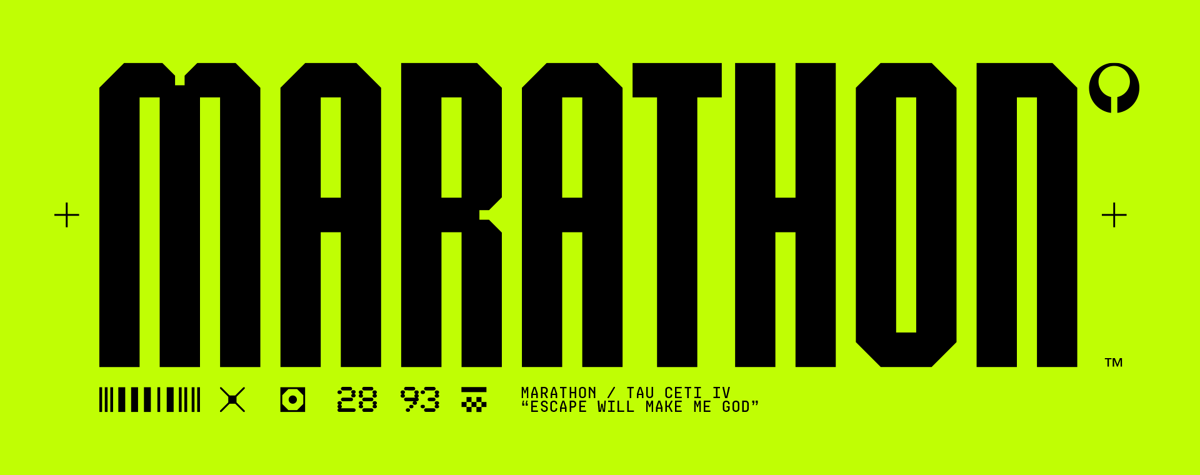
Launch triage on Bungie's extraction shooter, testing the midseason map Cryo Archive.
A tabletop RPG system and toolkit.

A big-box co-op board game through the Wano arc, where I designed and balanced character abilities.
A mobile reimagining of Alpine Ski (1981): an endless sled-dog run where you bark into the mic to speed up.
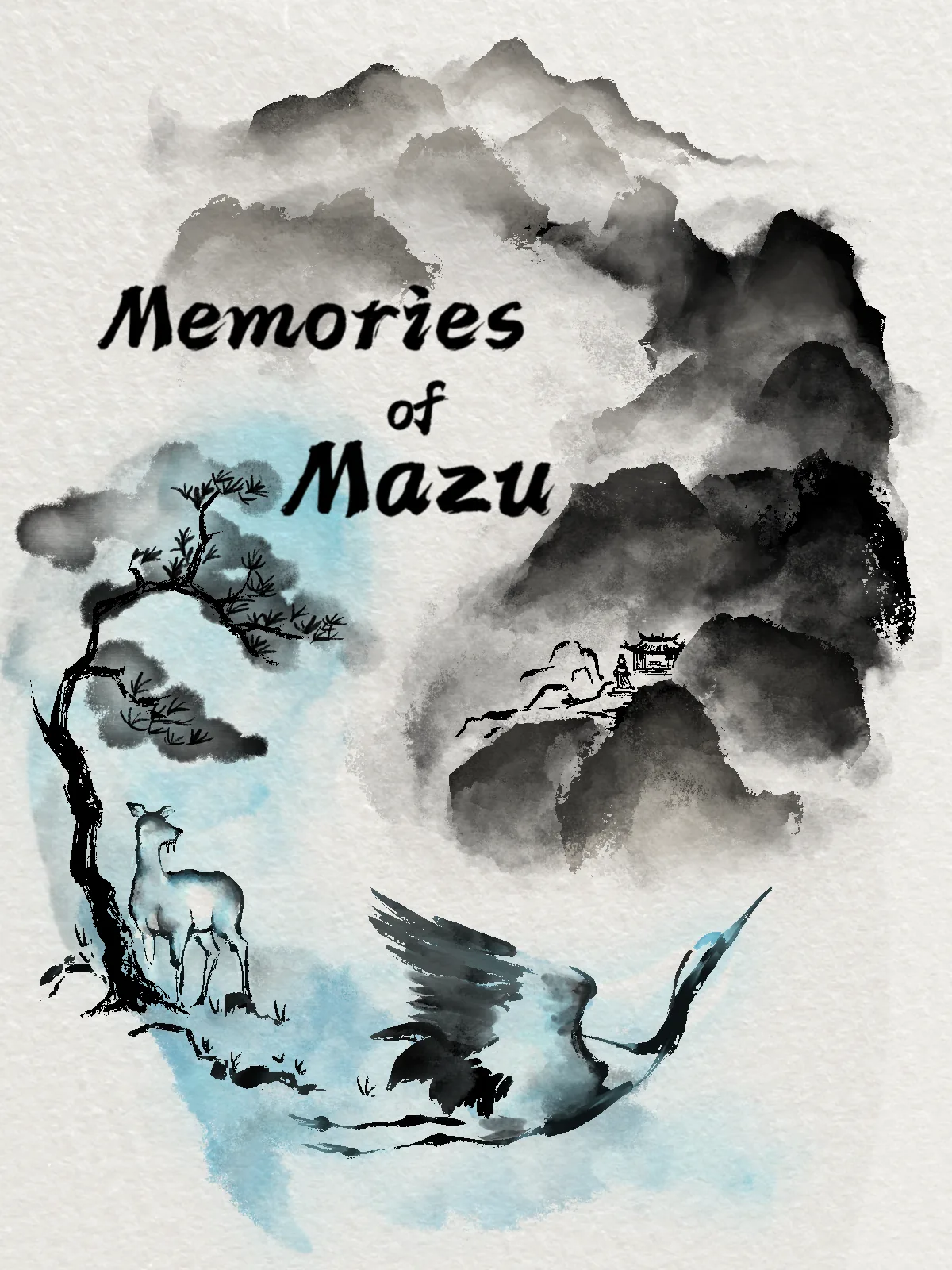
A VR serious game about the journey from grief to gratitude, told through a grandchild's walk across their late grandfather's island.
Launch triage on Bungie's extraction shooter, testing the midseason map Cryo Archive.
Embedded design testing on the Renegades expansion, focused on investment and player pursuits.
A big-box co-op board game through the Wano arc, where I designed and balanced character abilities.
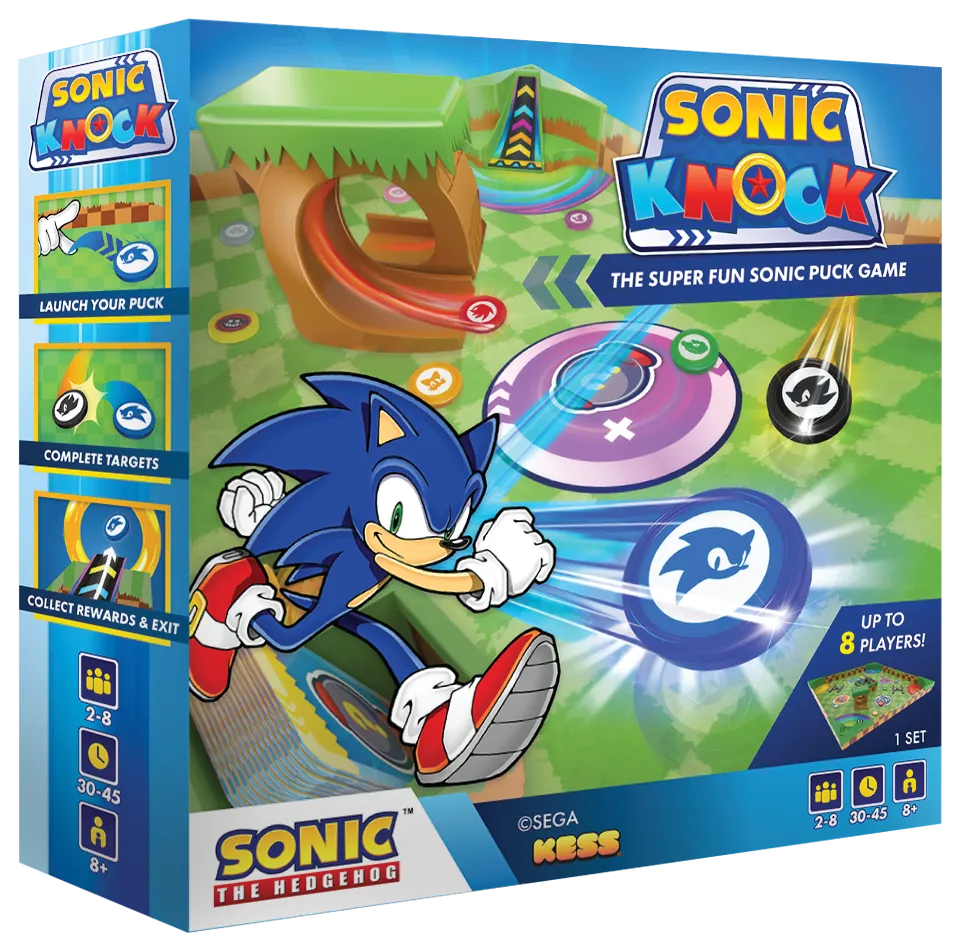
A kinetic tabletop game mixing shuffleboard, flick football, and pinball.
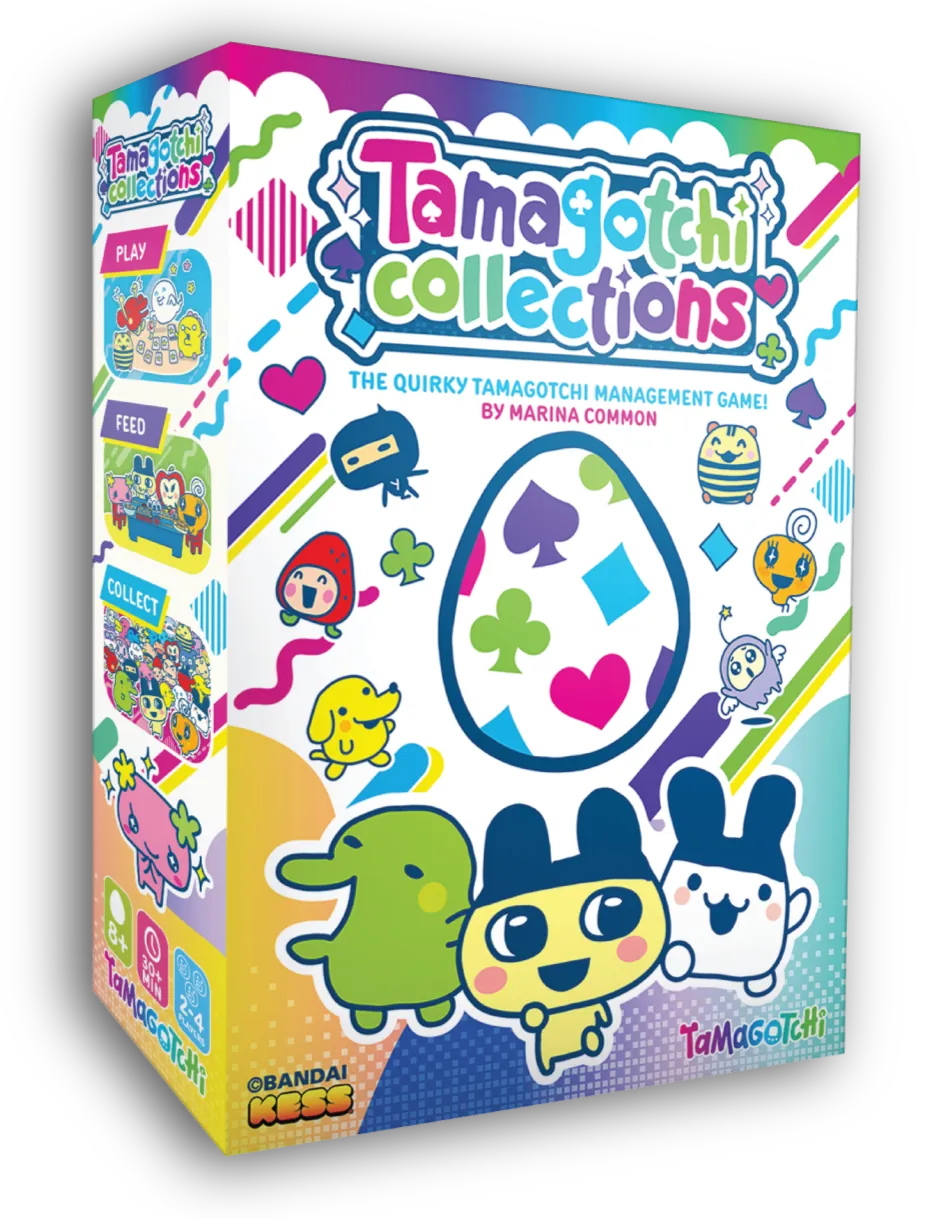
A resource-allocation card game paired with a care sim, starring a whole crowd of Tamas.
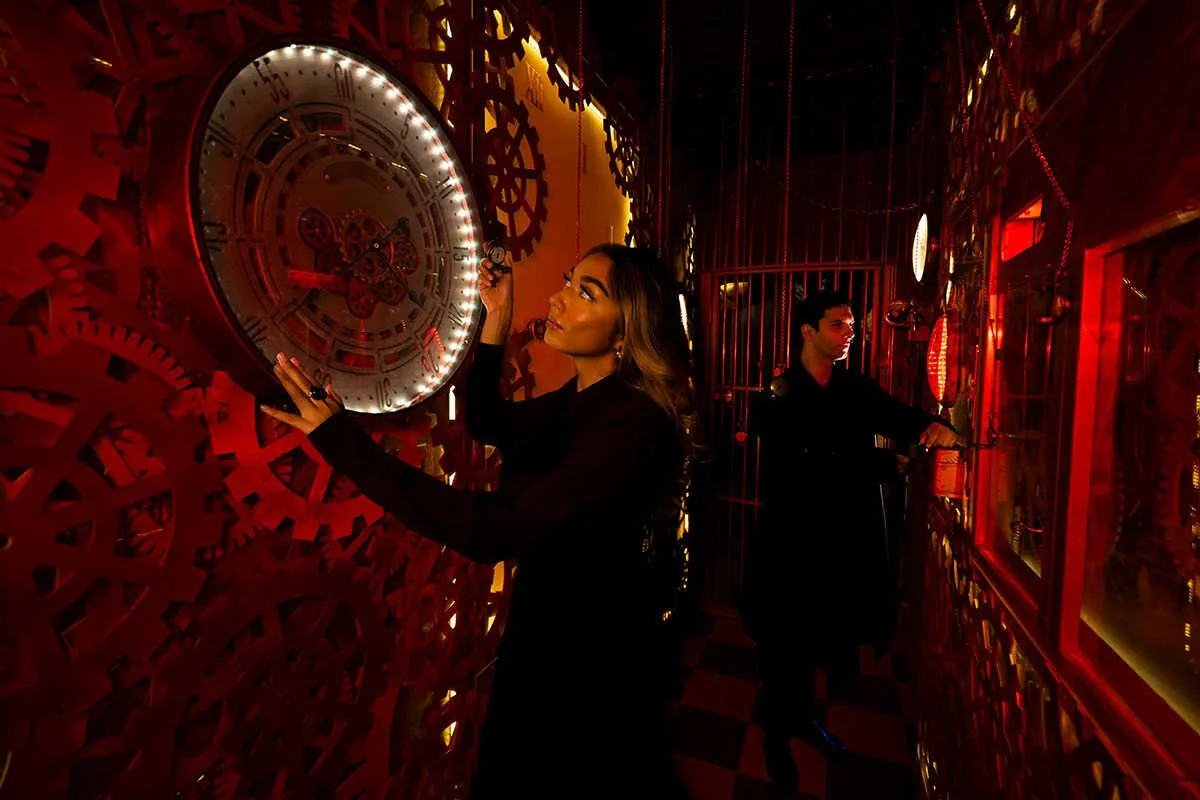
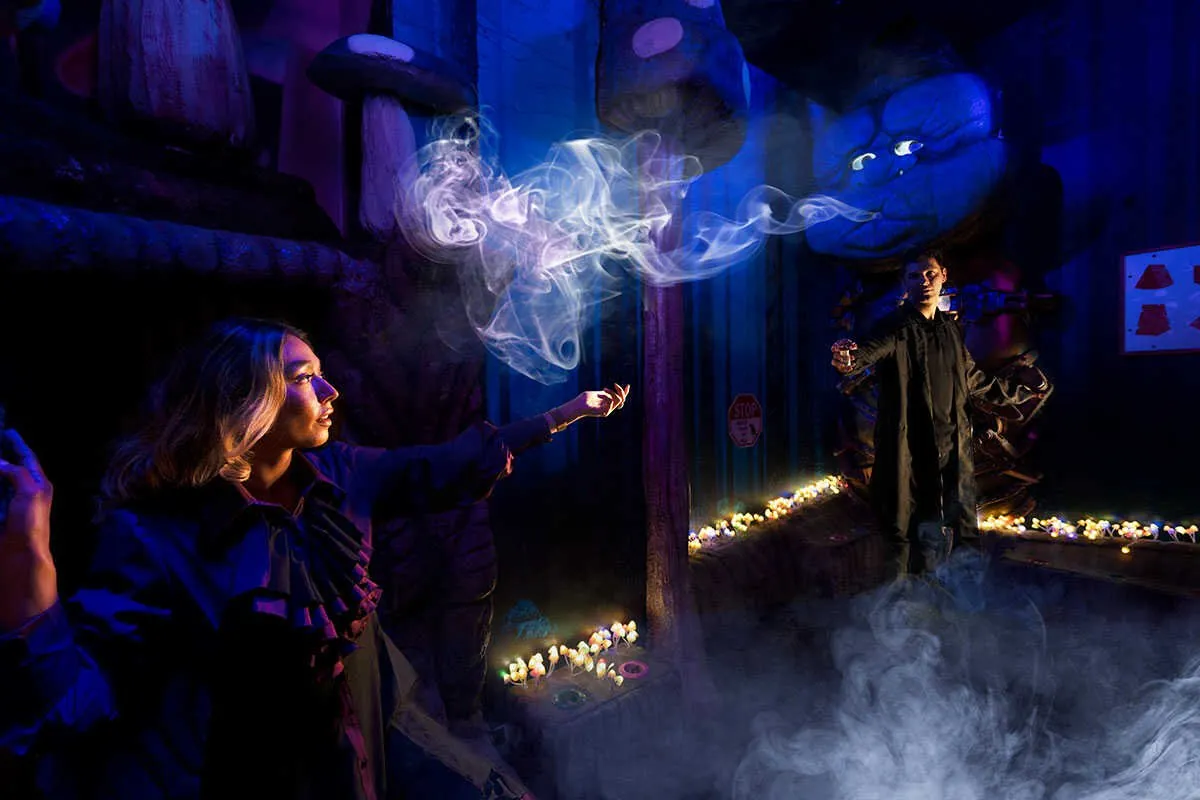
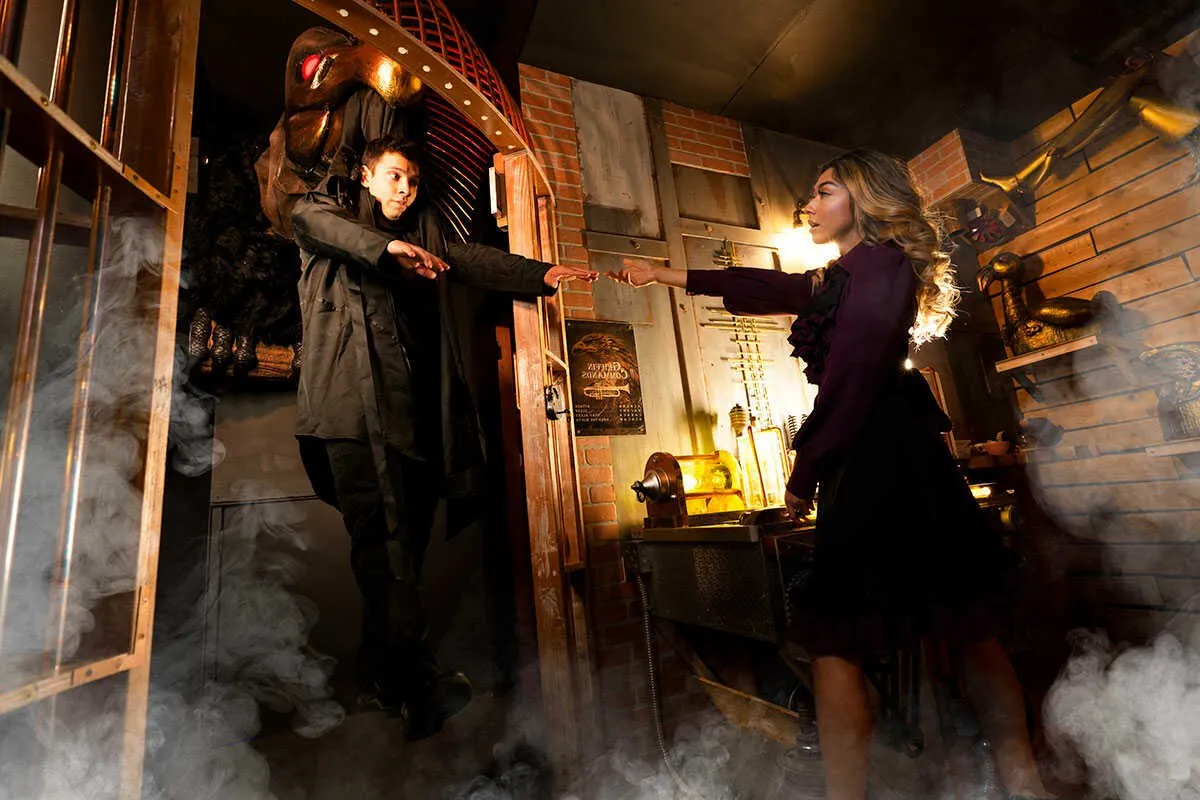
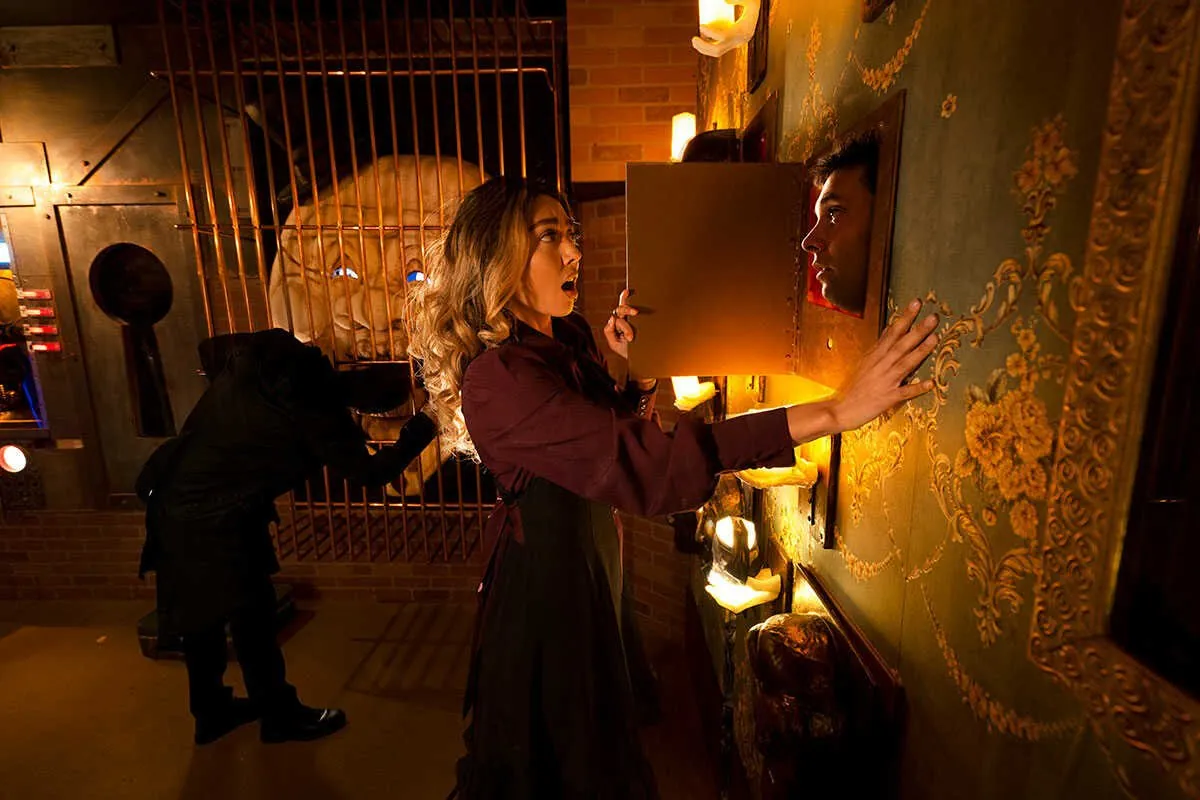
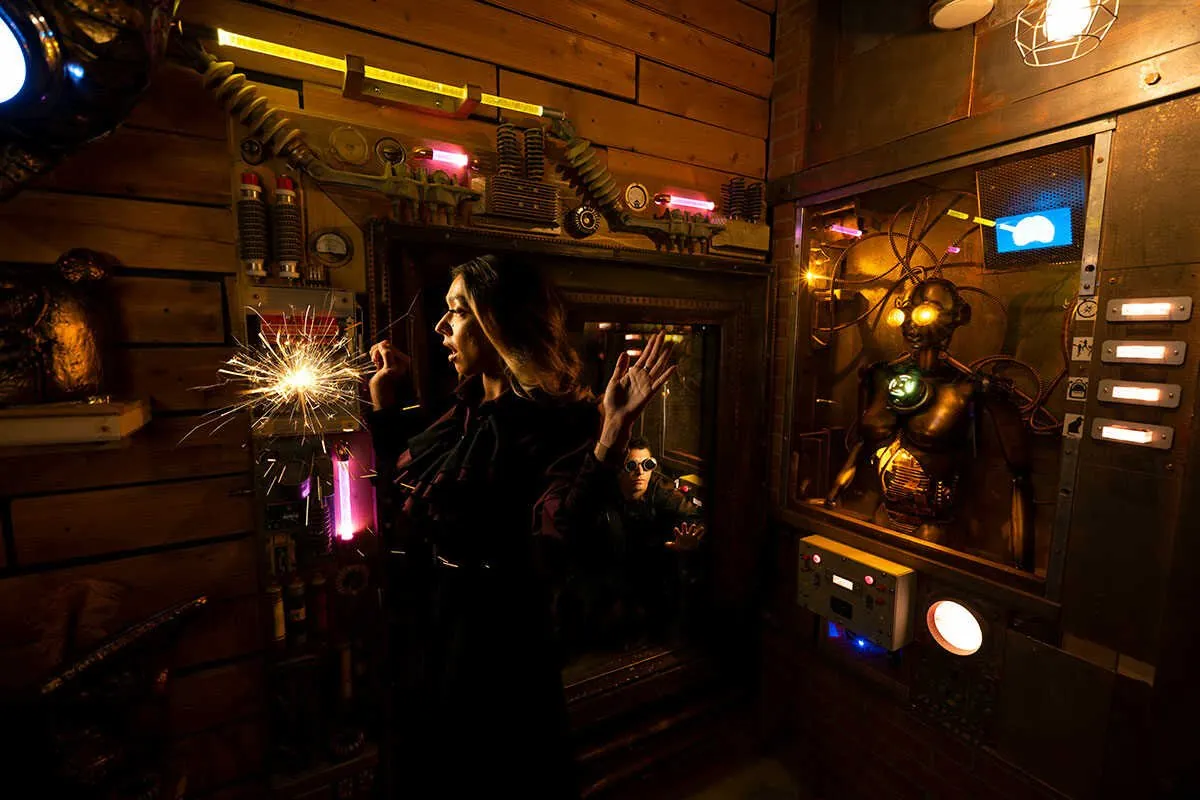
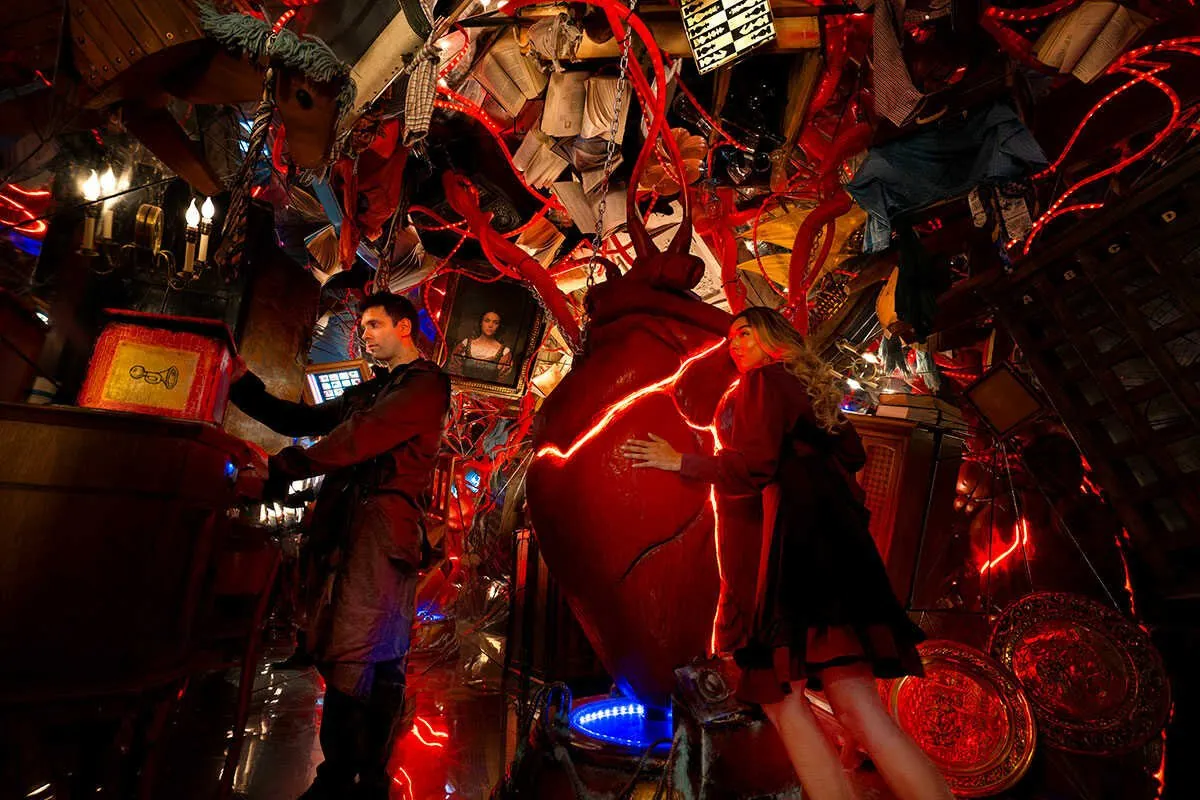
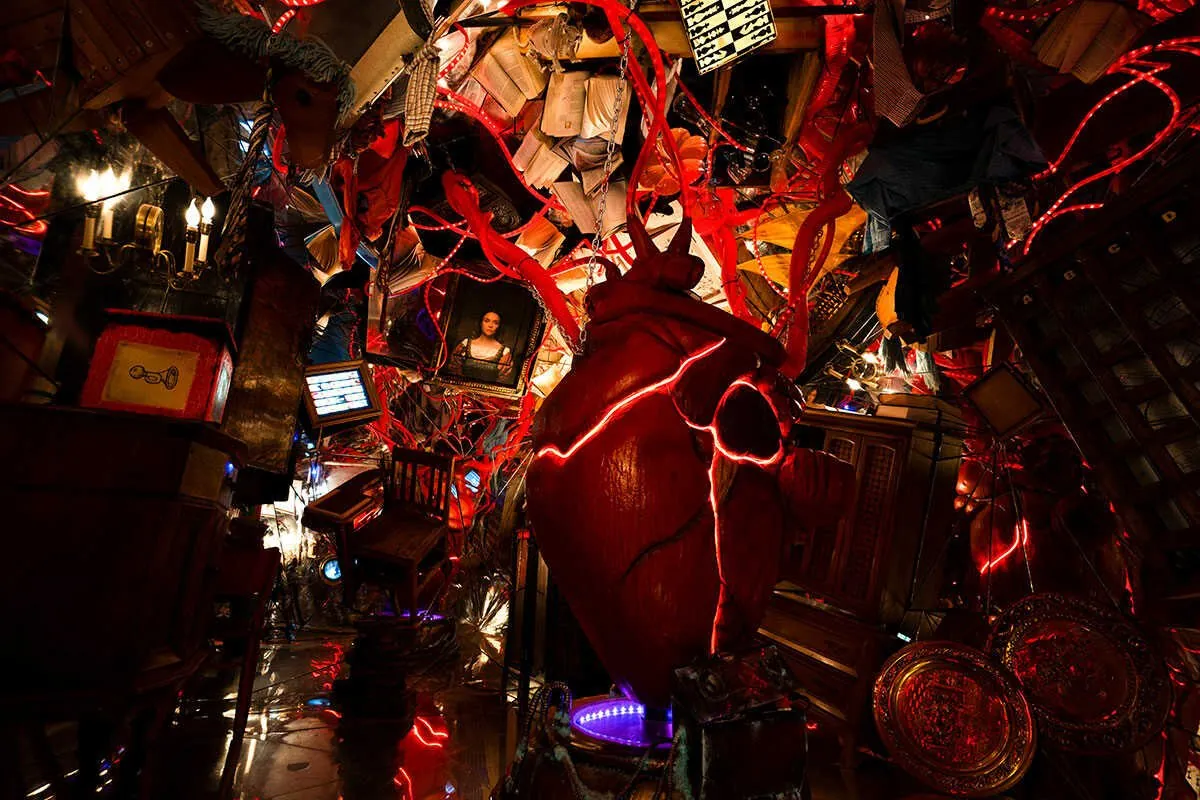
A steampunk Wonderland escape room.
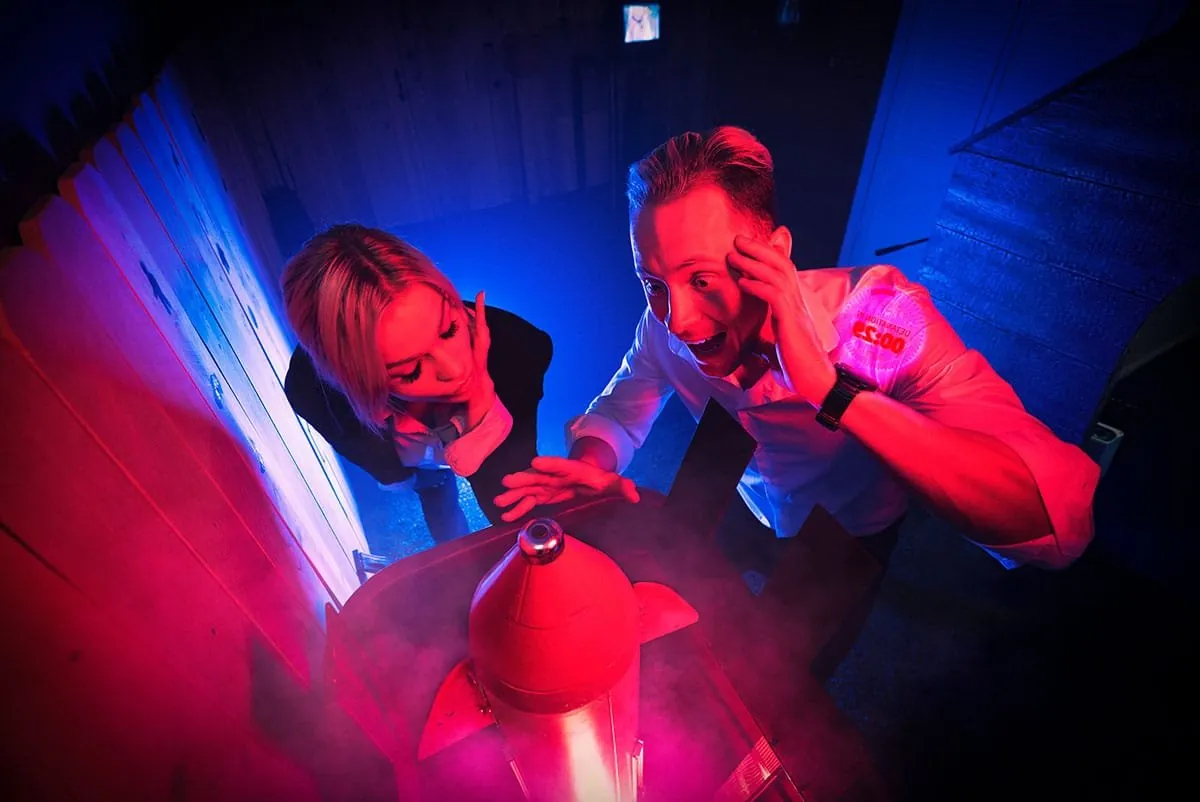
A family-oriented escape room.
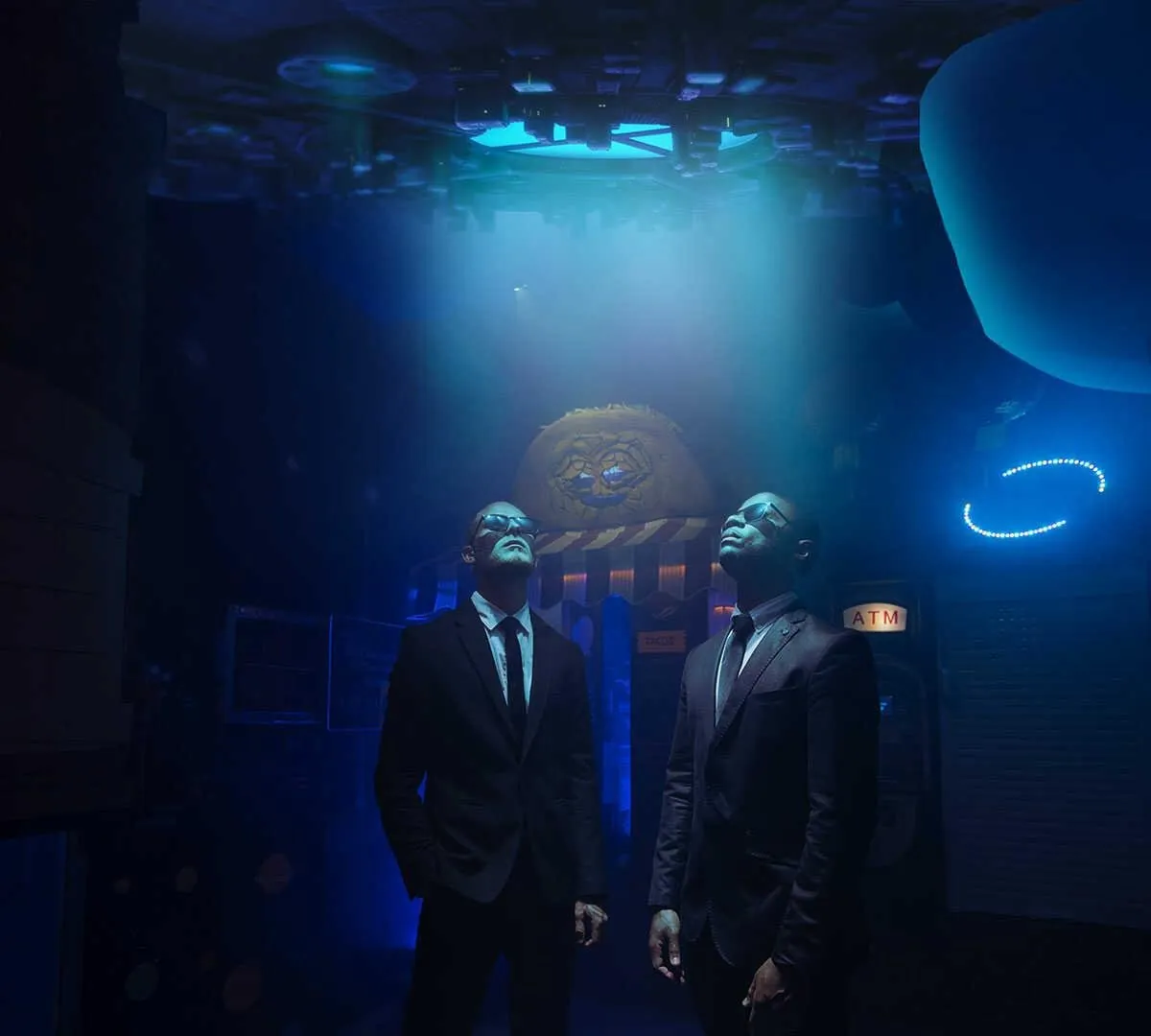
A nonlinear sci-fi escape challenge.
A student game development club.
An asymmetric monster-hunting game.
A tabletop RPG system and toolkit.
I'm always excited about new ideas and experiences! Please feel free to reach out for any and all game-related inquiries.